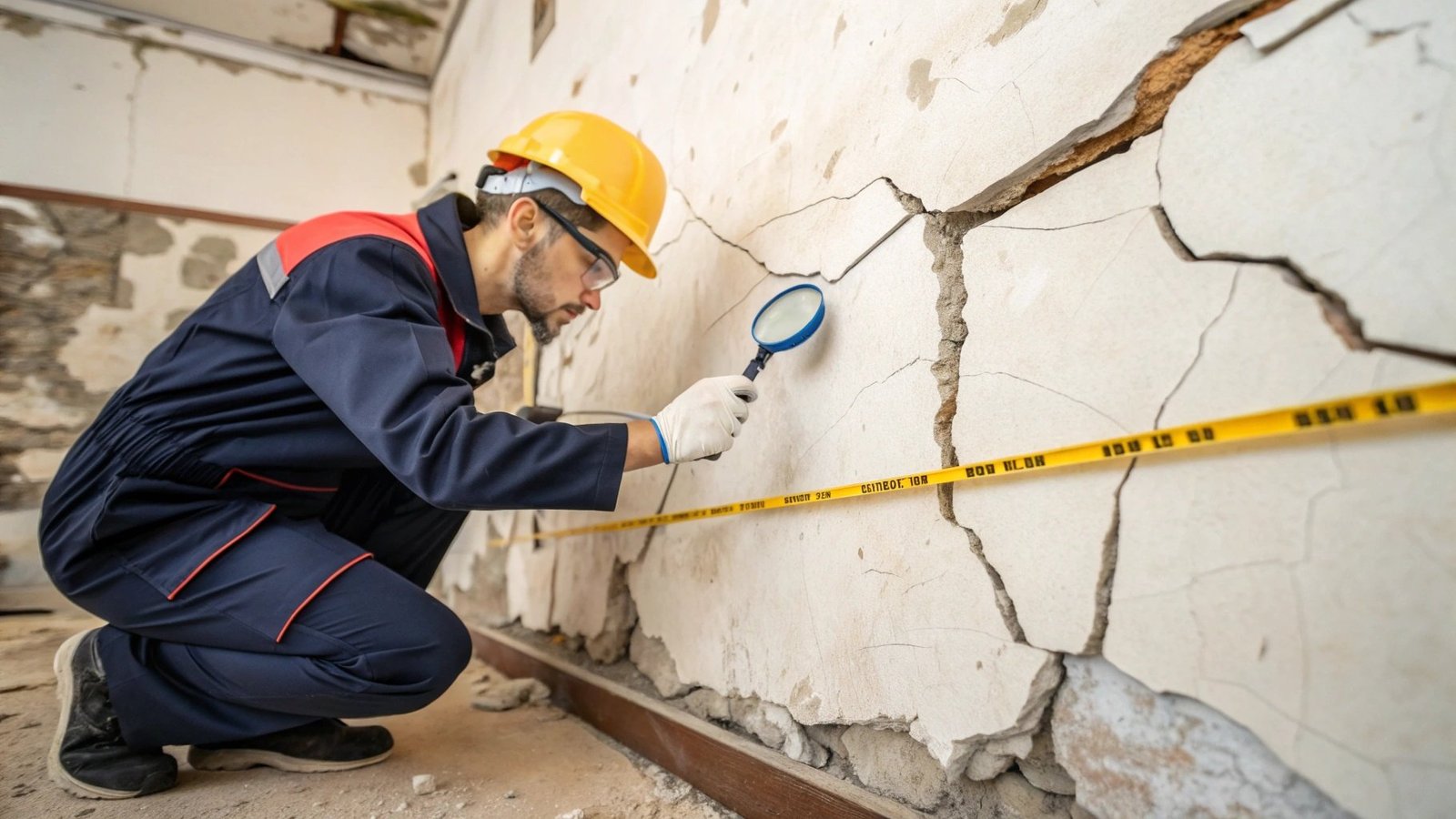
When home buyers make contact with My Local Surveyors Direct, one of their biggest concerns is discovering structural problems after purchase. A building survey carried out by experienced local surveyors can identify these issues before you commit to buying, potentially saving you tens of thousands of pounds in unexpected repairs.
In this comprehensive guide, our network of building surveyors share their expertise on the most common structural issues they encounter during property inspections across the UK. Whether you're a first-time buyer or an experienced property investor, understanding these problems helps you make informed decisions and know when the work required might be more than you bargained for.
Why Structural Issues Matter
Structural problems affect the very bones of a building. Unlike cosmetic issues that are easy to fix, structural defects can be expensive to repair and may worsen over time if left untreated. Many consumers mentioned that they wished they'd understood these issues better before purchasing their property.
When building surveyors carry out detailed inspections, they're looking for signs that the building's structural integrity is compromised. The service provided by accredited professionals from RICS, CIOB, or RPSA ensures that nothing significant slips through the cracks – literally!
1. Subsidence and Ground Movement
Subsidence is one of the most serious structural problems a local surveyor can find. It occurs when the ground beneath a property shifts or sinks, causing the foundations to move and the building above to crack and distort.
What Causes Subsidence?
Several factors contribute to subsidence in UK properties:
- Clay soil shrinkage: In areas with clay soil (common across much of England), dry weather causes the clay to shrink and crack. When it rains, the clay expands again. This constant movement stresses foundations.
- Tree roots: Large trees near properties draw moisture from the soil, particularly in summer. This dries out clay soil and can cause subsidence. Trees to watch for include oak, poplar, willow, and elm.
- Leaking drains: Water escaping from damaged underground pipes can wash away soil beneath foundations, creating voids that cause settlement.
- Mining activity: In former mining areas, particularly in parts of Yorkshire, the Midlands, Wales, and Scotland, old mine workings can cause ground movement decades after they close.
Warning Signs Building Surveyors Look For
When a building survey i required, experienced surveyors check for:
- Cracks wider than 3mm, especially diagonal cracks near doors and windows
- Cracks that are wider at the top than the bottom (classic subsidence pattern)
- Doors and windows that stick or don't close properly
- Rippling or uneven floors
- Gaps between walls and ceilings or floors
- External cracks in brickwork, particularly stepped cracks following brick lines
It's important to note that not all cracks indicate subsidence. Many older properties have historic settlement cracks that are stable and not a concern. This is where the expertise of local surveyors becomes invaluable – they can distinguish between historic movement and active, ongoing subsidence.
What's the Fix?
Subsidence repairs typically involve underpinning – strengthening the existing foundations by excavating beneath them and extending them deeper into more stable ground. This work required is significant and can cost £10,000 to £50,000 or more, depending on the severity and extent of the problem.
The good news? Subsidence is generally insurable, though premiums may be higher for affected properties. Many customers with suppliers who provided detailed explanations about subsidence found they could still proceed with purchases once they understood the risks and remediation options.
2. Wall Tie Failure
Wall ties are metal connectors that link the inner and outer leaves of cavity walls. Most UK homes built from the 1920s onwards have cavity wall construction, making wall tie failure a common concern during building surveys.
Why Wall Ties Fail
Pre-1980s properties often used wire or mild steel wall ties that rust over time. When rust forms, the metal expands (rust occupies more volume than steel), causing horizontal cracks in mortar beds. Eventually, the ties can fail completely, leaving the two leaves of the wall unconnected.
Properties in coastal areas or those exposed to harsh weather are particularly vulnerable. The salt in sea air accelerates corrosion, which is why surveyors in coastal locations pay special attention to wall ties.
Identifying Wall Tie Problems
Building surveyors look for:
- Horizontal cracks in brickwork at regular intervals (typically every 450mm vertically)
- Bulging or bowing of external walls
- Rust staining on brickwork near tie locations
- Properties built between 1920 and 1980, especially 1960s-70s system-built homes
Repair Costs and Solutions
Wall tie replacement involves installing new stainless steel ties alongside or in place of the failed ones. For a typical semi-detached house, expect costs of £1,500 to £3,000. While not cheap, it's essential work that prevents serious structural failure.
The efficient service provided by local surveyors means they can identify this issue early, allowing you to negotiate on price or ensure the work is completed before purchase.
3. Lintel Failure
Lintels are horizontal supports above windows and doors that carry the weight of the wall above. When they fail, serious structural problems can result.
Common Lintel Issues
Different eras used different lintel materials, each with their own failure modes:
- Timber lintels: Common in pre-1940s properties, these can rot, especially if moisture penetrates from above or if there's no damp-proof course. Consumers mentioned discovering rotted lintels during renovation works when windows were replaced.
- Steel lintels: These can rust and expand, causing cracking in the surrounding masonry. The rust expansion is particularly problematic, often leading to characteristic "stepped" cracks above windows.
- Concrete lintels: While more durable, these can crack if undersized for the load they're supporting or if the building experiences settlement.
What Surveyors Look For
When carrying out Level 3 surveys, building surveyors check for:
- Cracks radiating from corners of windows and doors
- Sagging or drooping above openings
- Rust staining or spalling (flaking) brickwork above windows
- Evidence of water penetration above openings
Happy with the service, many home owners and home buyers find that identifying lintel issues early allows for straightforward repairs before they become major structural concerns.
4. Roof Structure Problems
The roof structure is critical to a building's integrity, yet it's often neglected until problems become obvious. Local surveyors frequently find issues that home buyers would never spot from ground level.
Common Roof Structural Issues
- Sagging ridge lines: This can indicate failing roof timbers, inadequate support, or spreading walls. It's particularly common in older properties where the original timber has weakened over time.
- Rafter spread: When rafters push outward at the eaves, it can cause walls to bulge. This is often due to inadequate collar ties or purlins supporting the roof structure.
- Timber decay: Wet or dry rot in roof timbers is surprisingly common, especially where there's been historic leak damage or poor ventilation in the roof space.
- Woodworm infestation: Active woodworm can weaken structural timber significantly. While treatment is relatively straightforward, severely weakened timbers may need replacement.
The Importance of Roof Access
One reason why home buyers make contact with surveyors for Level 3 building surveys rather than basic valuations is the comprehensive inspection of roof spaces. Accessible roof voids reveal crucial information about the property's structural condition that's impossible to assess from below.
When the survey was completed, many customers found that roof issues were among the most significant defects identified – yet also among the most negotiable in terms of price adjustment.
5. Foundation and Footing Issues
While building surveyors can't see foundations directly without excavation, they can identify signs that suggest foundation problems.
Historic Foundation Types
Understanding foundation construction helps explain potential issues:
- Pre-1900 properties: Often have shallow brick or stone footings, sometimes just 450mm deep. These can be vulnerable to ground movement and may not meet modern standards.
- Early 20th century: Strip foundations became standard, providing better load distribution but still relatively shallow by today's standards.
- Modern construction: Deep trench-fill foundations provide excellent stability, though even these can have issues if constructed poorly or on unsuitable ground.
Signs of Foundation Problems
Surveyors assess foundation adequacy by looking for:
- Cracking patterns that suggest differential settlement
- Stepped cracks in brickwork
- Internal floor level variations
- Doors out of square or failing to close properly
- Previous underpinning work (not necessarily bad, but worth investigating)
6. Structural Alterations and Modifications
Many structural issues stem from previous alterations rather than the original construction. When home owners and home buyers make inquiries, they often discover that previous owners removed walls, installed larger windows, or made loft conversions without proper structural calculations or building control approval.
Common Alteration Problems
- Removed load-bearing walls: Creating open-plan spaces is popular, but removing walls without installing adequate support beams causes serious structural stress.
- Undersized RSJs (steel beams): Even when structural support is added, it's sometimes inadequate for the load. Building surveyors can often spot deflection in undersized beams.
- Loft conversions: Many are done without strengthening floor joists or providing adequate support. This can overload the structure and cause issues throughout the building.
- Extensions with poor connection: Extensions should be properly tied into existing structures. Poor connections can allow independent movement, causing cracking at the junction.
The Building Control Question
One of the most important questions building surveyors ask is whether structural alterations have building control approval and completion certificates. Work required to comply with building regulations can be expensive if certificates are missing.
Properties with undocumented alterations can be difficult to mortgage and may require indemnity insurance. This is why connecting with local surveyors who understand building regulations is so valuable – they can flag these issues early in your purchase.
7. Chimney Stack Issues
Chimney stacks are heavy, exposed structures that can develop problems over time. Many properties have had stacks removed or capped, but those remaining require regular maintenance.
Common Chimney Problems
- Leaning or unstable stacks: Wind loading and deteriorating mortar can cause stacks to lean. This is particularly concerning as falling masonry presents a serious safety hazard.
- Defective damp-proof courses: Chimneys need DPCs just like walls. Failed chimney DPCs allow water penetration, causing damage to internal chimney breasts.
- Flaunching failure: The mortar weathering at the top of stacks (flaunching) often cracks and allows water in, leading to frost damage and accelerating deterioration.
- Removed but not made safe: Many stacks have been removed at roof level but left structurally unsupported below. This can cause problems in the rooms below.
When Should You Walk Away?
Not all structural issues are deal-breakers. Many can be repaired cost-effectively, and the discovery during a survey gives you negotiating power. However, some situations suggest you should consider walking away:
- Active, progressing subsidence: Especially if there's no clear cause or if it's affecting a large area of the building
- Multiple serious structural issues: When several major problems exist simultaneously, repair costs can exceed the property's value
- Undocumented major alterations: Particularly if there's evidence of poor workmanship or if the seller cannot provide any documentation
- Extensive rot or infestation: If wet rot, dry rot, or beetle infestation is widespread and has compromised key structural elements
That said, many properties with structural issues can be excellent buys if priced appropriately. The efficient service provided by our network of building surveyors means you get detailed information quickly, allowing you to make informed decisions within your purchase timeline.
How My Local Surveyors Direct Can Help
Understanding structural issues is one thing, but identifying them in a specific property requires expertise. My Local Surveyors Direct connects you with accredited building surveyors in your local area who have deep knowledge of regional construction types and common defects.
Why Use a Professional Surveyor?
- Expertise and training: All surveyors in our network are accredited by RICS, CIOB, or RPSA, with years of experience identifying structural problems
- Local knowledge: Local surveyors understand area-specific issues, from mining subsidence in former coalfield areas to coastal corrosion problems
- Detailed reporting: You'll receive a comprehensive written report with photographs, explaining any issues found and the work required to address them
- Negotiating power: A professional survey provides solid evidence for price renegotiation if significant issues are found
Customers with suppliers from our network consistently report that the professionalism and politeness they experienced made the survey process straightforward and stress-free. Most received initial contact within 24 hours of their initial enquiry, allowing them to arrange surveys quickly and keep their property purchase on track.
Frequently Asked Questions
How much does it cost to fix structural issues?
Costs vary enormously depending on the issue. Minor repairs like repointing or replacing a few bricks might cost hundreds of pounds, while major underpinning or extensive structural repairs can cost £50,000 or more. This is why getting the survey i required before purchase is so important – you can factor repair costs into your offer.
Are structural issues covered by insurance?
It depends on the cause. Subsidence is typically covered by buildings insurance, though you'll pay an excess and premiums may increase. However, general wear and tear, lack of maintenance, or pre-existing conditions usually aren't covered. This makes a pre-purchase survey essential for understanding your liabilities.
Can I still get a mortgage on a property with structural issues?
It depends on the severity. Minor issues rarely affect mortgageability, but serious structural problems may cause lenders to refuse a mortgage until repairs are completed. Some lenders will release funds in stages, holding back an amount to cover repairs. Your surveyor can advise on likely lender reactions to specific issues.
Should I hire a specialist structural engineer as well as a surveyor?
For most properties, a qualified building surveyor is sufficient. However, if the surveyor identifies significant structural concerns, they may recommend a specialist structural engineer for more detailed investigation. This provides the technical information needed to specify and cost repairs accurately.
Take Action: Protect Your Property Purchase
Don't let structural issues catch you by surprise. Whether you're buying a period property, a modern home, or something in between, a professional building survey is your best protection against expensive post-purchase surprises.
My Local Surveyors Direct makes it easy to connect with local surveyors who can carry out the comprehensive range of services you need, from basic HomeBuyer Reports to detailed Level 3 Building Surveys. Our network of suppliers includes surveyors who appear in the RICS registry, giving you confidence in their qualifications and expertise.
Ready to arrange your property survey? Make contact with us today and we'll connect you with qualified building surveyors in your area. Most customers receive responses within 24 hours, with surveys typically carried out within a week of booking.
Don't leave your biggest investment to chance. Get the expert advice you need to buy with confidence.