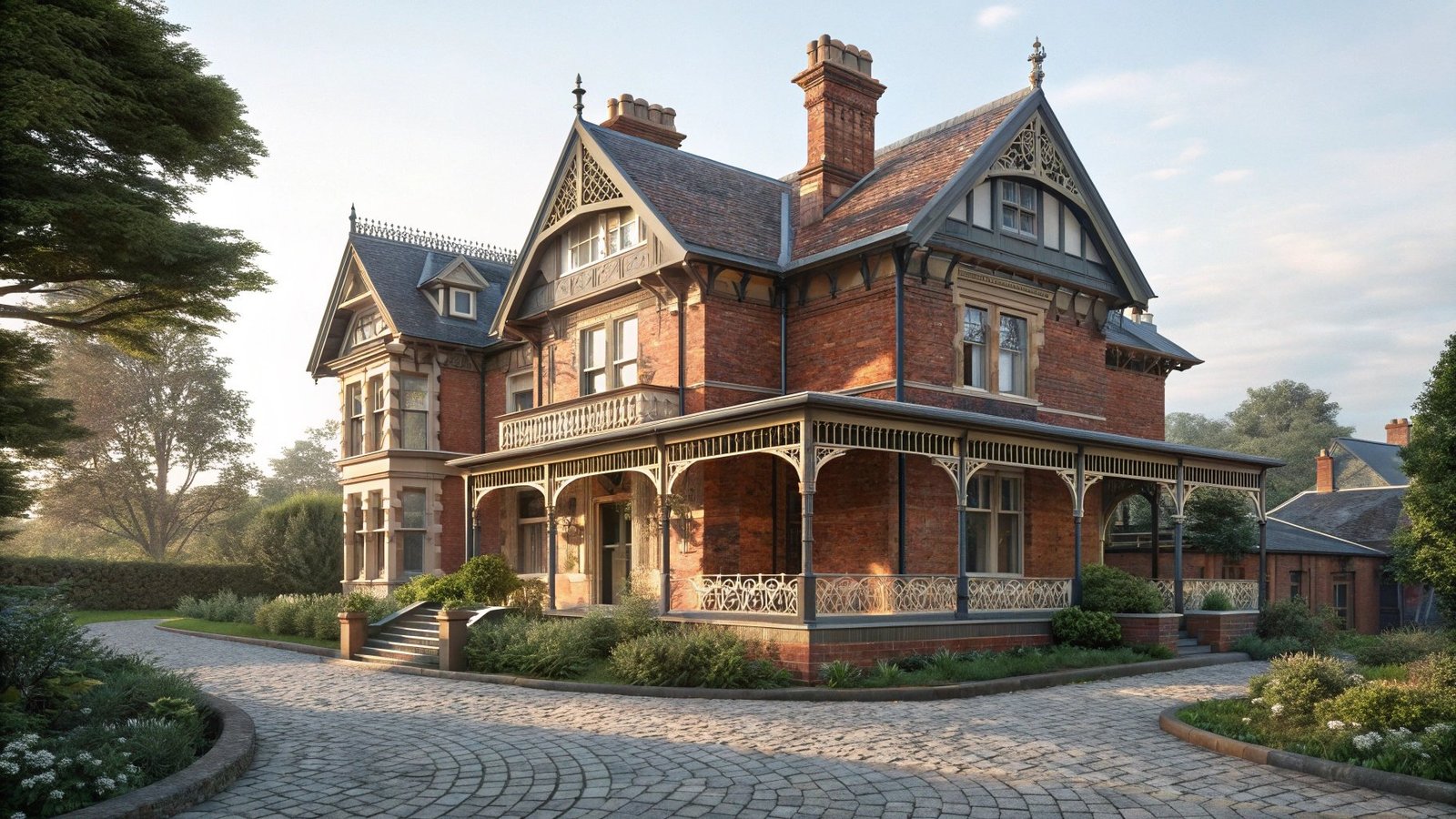
Period properties – Victorian, Edwardian, and Georgian homes – offer character, craftsmanship, and charm that modern builds can't match. However, when home buyers make contact with My Local Surveyors Direct about older properties, they need specialist advice. Period homes require different survey approaches and considerations compared to modern houses.
Our network of building surveyors who specialize in period properties explain what makes these homes unique, common issues to watch for, and why choosing a surveyor with period property experience is essential.
Understanding Period Property Construction
Period properties were built using different materials and techniques than modern homes. Understanding this helps you appreciate both their strengths and vulnerabilities.
Victorian Era (1837-1901)
Victorian homes typically feature solid brick walls, slate roofs, timber floors, and sash windows. They were built to "breathe" – moisture passes through lime mortar and soft bricks, evaporating naturally. Local surveyors note that problems often arise when modern cement-based repairs trap moisture.
Edwardian Era (1901-1910)
Edwardian properties often represent the pinnacle of domestic construction. Built with quality materials and craftsmanship, they feature larger rooms, better light, and improved services compared to Victorian homes. However, they still use traditional construction methods requiring understanding.
Georgian Era (1714-1837)
The oldest period properties, Georgian homes showcase exceptional craftsmanship. Many feature solid walls over 18 inches thick, lime mortar construction, and beautiful architectural details. Building surveyors need specialist knowledge to assess these properties correctly.
Why Period Properties Need Specialist Surveys
A standard HomeBuyer Report might miss crucial issues in period properties. The survey i required is typically a Level 3 Building Survey carried out by surveyors experienced with traditional construction. Here's why:
- Different construction methods: Modern survey training focuses on cavity walls and concrete. Period properties use solid walls and lime mortar.
- Historic alterations: Centuries of modifications can hide issues or create problems.
- Traditional materials: Lime render, lathe and plaster, and soft bricks behave differently than modern materials.
- Hidden issues: Problems often lurk in roof spaces, under floors, or behind later additions.
- Maintenance requirements: Period properties need different maintenance approaches than modern homes.
Consumers mentioned that choosing local surveyors with period property expertise made crucial differences to survey quality and recommendations received.
Common Period Property Issues
1. Movement and Settlement
Almost all period properties show some movement – it's normal after 100+ years. The key is distinguishing historic settlement (stable) from active movement (concerning). Building surveyors look for:
- Crack patterns and widths
- Evidence of ongoing movement
- Impact on structural integrity
- Necessary monitoring or repairs
Minor cracks are cosmetic. Significant stepped cracks, particularly if widening, require investigation. Read our complete subsidence guide for detailed information.
2. Damp and Moisture
Damp is the most reported issue in period properties, but often misdiagnosed. Traditional construction is meant to be breathable. Problems arise when:
- Cement pointing or render traps moisture
- Modern impermeable paints seal walls
- Ground levels have risen above DPCs
- Gutters and downpipes leak or overflow
- Ventilation is inadequate
The work required often involves reverting to traditional lime-based materials rather than installing damp-proof courses. Our complete damp guide explains different moisture types.
3. Roof Structure and Covering
Period property roofs warrant careful inspection:
- Slate roofs: Original slates can last 150+ years but eventually fail. Individual replacements extend life; complete re-roofing costs £10,000-£25,000.
- Roof timbers: Check for beetle infestation, rot, and sagging. Historic timbers sized differently than modern standards.
- Lead valleys and flashings: Can last 100 years but eventually need replacement.
- Chimneys: Often integral to structure; removal requires careful assessment.
4. Original Windows and Doors
Original sash windows add character but require maintenance:
- Rotten sills and frames need replacement
- Broken sash cords need repair
- Single glazing increases heat loss (but replacement may need conservation consent)
- Draught-proofing significantly improves efficiency
Many period property experts recommend repairing original windows rather than replacing with UPVC, which can devalue properties and look incongruous.
5. Services and Utilities
Electrical, plumbing, and heating systems in period properties often need updating:
- Electrics: Many have old wiring needing complete replacement (£3,000-£6,000)
- Plumbing: Lead pipes, old iron pipes, or inadequate pressure require attention
- Heating: Installing central heating in solid-wall properties requires thought about radiator sizes and system type
The efficient service provided by specialist surveyors includes assessing whether services meet modern standards.
Listed Buildings and Conservation Areas
If your period property is listed or in a conservation area, additional considerations apply:
Listed Building Consent
Grade I, II*, or II listed buildings require consent for most alterations, including:
- Window replacement
- Roof works
- Extensions
- Internal alterations affecting character
Building surveyors familiar with listed buildings advise on likely consent requirements and constraints.
Conservation Area Rules
Less restrictive than listing but still require planning permission for:
- External alterations
- Tree work
- Certain extensions
- Satellite dishes and solar panels (sometimes)
Energy Efficiency in Period Properties
Period homes typically have poor energy performance certificate ratings (often E or F). However, improvements require careful consideration:
Appropriate Improvements
- Loft insulation: Usually straightforward and effective
- Draught-proofing: Sash windows, doors, floorboards
- Secondary glazing: Better than replacement for character retention
- Heating controls: Smart thermostats and TRVs
- Internal wall insulation: If external not possible (reduces room size slightly)
Avoid These Mistakes
- Cavity wall insulation (solid walls don't have cavities)
- Impermeable external wall insulation (traps moisture)
- UPVC windows (often inappropriate and devaluing)
- Cement-based pointing (prevents walls breathing)
Domestic energy assessors in our network understand period property challenges and recommend appropriate improvements. Read our EPC improvement guide.
Costs of Period Property Ownership
Budget for higher maintenance costs than modern properties:
Typical Annual Maintenance
- External decoration: £2,000-£5,000 every 5-7 years
- Roof maintenance: £500-£1,000 annually
- Gutter cleaning: £150-£300 annually
- Window maintenance: £500-£1,500 annually
- Pointing repairs: £1,000-£3,000 every 10-15 years
Major Works (Eventually Required)
- Complete re-roofing: £15,000-£35,000
- Re-wiring: £3,000-£8,000
- Damp treatment: £2,000-£10,000
- Structural repairs: Variable, £5,000-£50,000+
While these figures seem high, remember that period properties often appreciate faster than modern equivalents, and the work required preserves value.
Questions to Ask Your Period Property Surveyor
When you make contact with surveyors about period properties, ask:
- What experience do you have with [Victorian/Edwardian/Georgian] properties?
- Are you familiar with traditional construction methods?
- Have you surveyed properties in this area before?
- Do you understand lime mortar and breathable construction?
- Can you advise on appropriate repairs and maintenance?
- Will you identify inappropriate modern alterations?
- Can you recommend specialist contractors if needed?
The service provided should give you confidence that your surveyor truly understands period properties.
Frequently Asked Questions
Are period properties more expensive to insure?
Sometimes, particularly listed buildings. However, specialist insurers understand period properties and offer competitive rates. Shop around and mention any recent surveys or maintenance.
Should I avoid period properties with some issues?
Not necessarily. Almost all period properties have some issues – it's normal for 100+ year old buildings. Focus on whether issues are manageable and factored into the price. Major structural problems might warrant walking away, but minor damp or cosmetic issues are usually fixable.
Can I modernize a period property?
Yes, but sympathetically. Successful period property updates blend modern convenience with character retention. Kitchens and bathrooms can be modern, but preserve original features like fireplaces, cornicing, and floorboards. If listed, get advice early.
Are period properties cold and expensive to heat?
They can be, but improvements help significantly. Solid walls don't insulate as well as cavity walls, but draught-proofing, loft insulation, and appropriate heating make them comfortable. Many owners report running costs similar to modern homes once basic improvements are made.
How do I find tradespeople who understand period properties?
Ask your surveyor for recommendations. Specialist contractors understand traditional methods and materials. Avoid general builders who may use inappropriate modern techniques. Local surveyors often maintain lists of trusted contractors.
Final Thoughts on Period Property Surveys
Period properties offer rewards that modern homes can't match: character, craftsmanship, generous proportions, and appreciating value. However, they require owners who understand and embrace their unique needs.
A comprehensive survey by a specialist surveyor is your best protection. They'll identify issues, advise on appropriate solutions, and help you understand what you're taking on. This knowledge lets you make informed decisions about whether to proceed, renegotiate, or walk away.
My Local Surveyors Direct connects you with building surveyors experienced in period properties across the UK. They understand traditional construction, know what to look for, and provide detailed advice on maintaining these beautiful homes.
Buying a period property? Contact us today and we'll connect you with specialist surveyors in your local area. Get the expert assessment your character property deserves.